

01
Temperature
Track air, crop-surface or equipment heat.
Choose measurement points and useful thresholds for the crop, site and task.
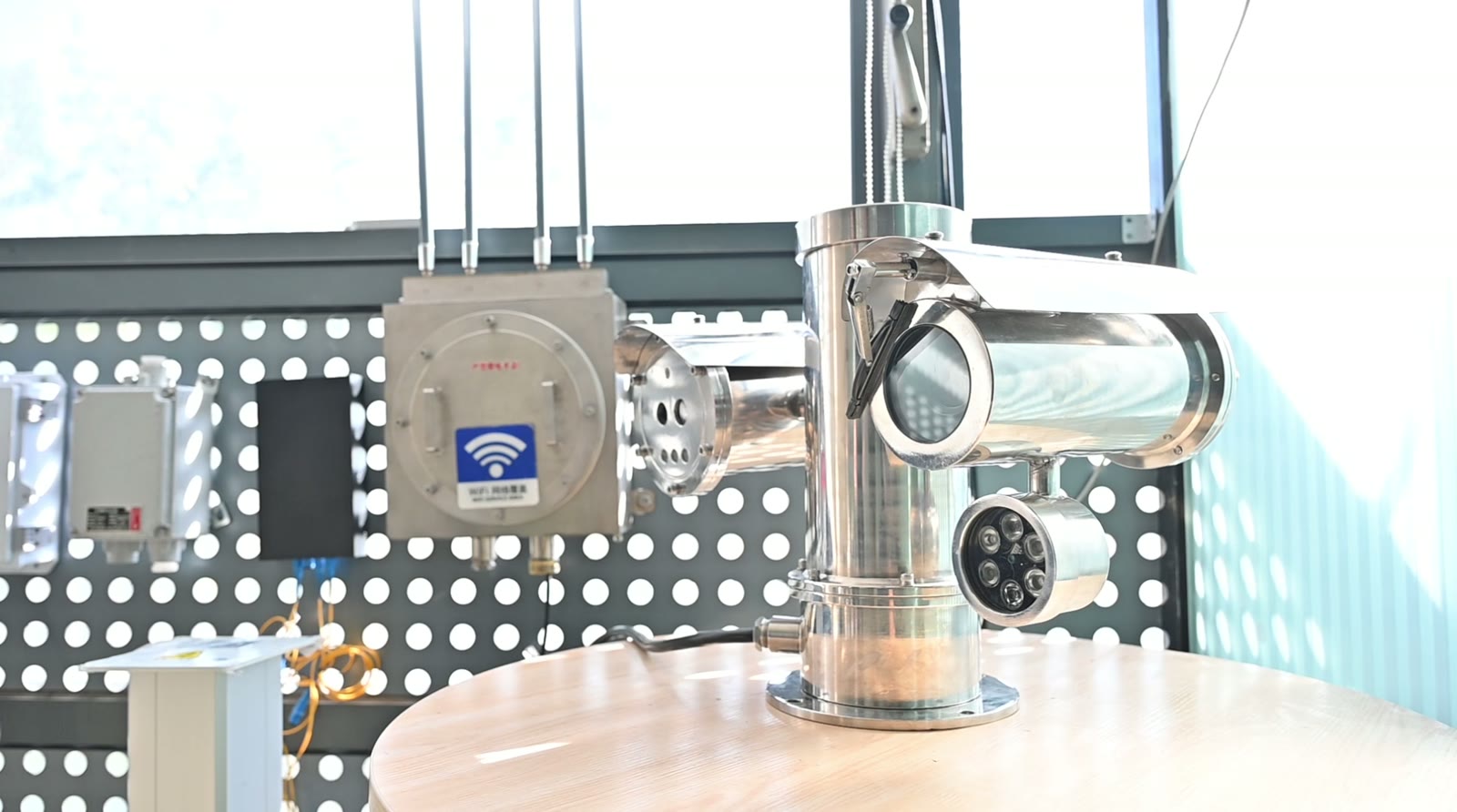
Measure the conditions that matter, place hardware where the reading is useful, and connect signals to the people who can act.
Possible sensing inputs. We select and validate the combination that serves your site and decision.
01
Track air, crop-surface or equipment heat.
Choose measurement points and useful thresholds for the crop, site and task.
02
See local humidity and moisture changes.
Measure the conditions that matter across growing zones or water-sensitive processes.
03
Monitor CO₂, ammonia or other relevant gases.
Place sensors where changing air conditions could affect people, animals or production.
04
Listen for shifts in equipment or animal environments.
Capture audio or vibration signals and decide which changes merit a closer look.
05
Capture visual conditions for review and analysis.
Use cameras in the field, glasshouse or site to observe crops, animals or assets.
06
Bring machine status and runtime into view.
Connect existing equipment signals so exceptions can reach the right team.
07
Follow flow, pressure and water conditions.
Monitor critical points in irrigation or water systems and connect readings to action.
08
Add spatial context to routes and observations.
Use location and mapping data where terrain, access or asset position matters.
09
Combine signals around health, growth or behaviour.
Select sensing inputs that fit the specific observation and validate them in context.
Illustrative workflow
01
A sensor logs a growing-zone change.
02
A shared view flags the reading.
03
The right person checks and records the action.
Tell us the task or information gap you want to work through.